
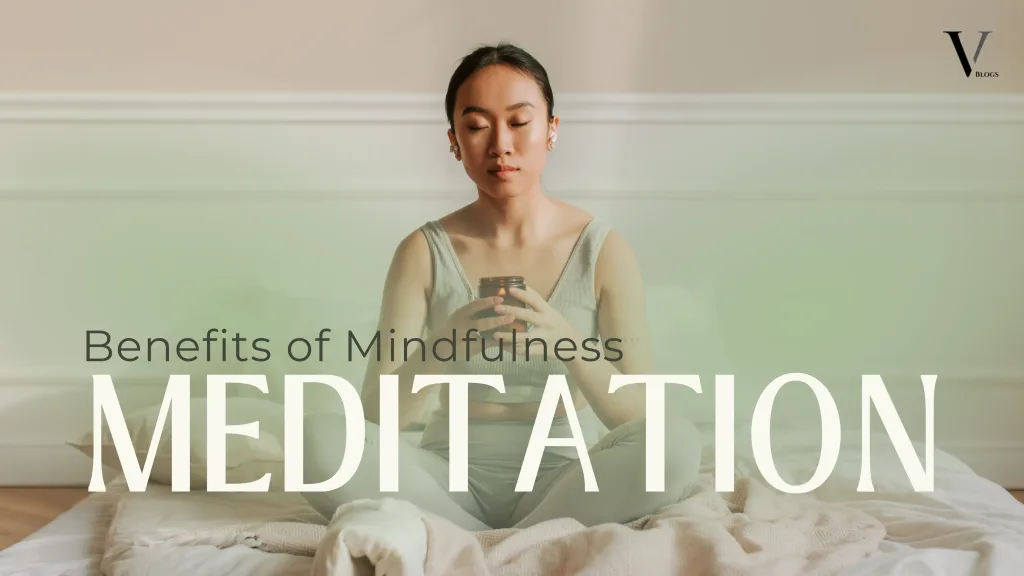
If stress and anxiety are your only true companions for a while, then you must have heard someone suggest you try meditation. However, how ridiculous and other-worldly it sounds, this ancient-old practice has really helped countless individuals fight their chaos. Not only this, but it’s also been proven to have many positive impacts on one’s health. So, let’s explore some proven benefits of mindfulness meditation for stress relief and see what it has in store for us.
What is Mindfulness Meditation?
Mindfulness meditation isn’t just about sitting cross-legged and chanting “om” continuously. It’s more about the feeling and focus than the act. Simply put, it’s a practice to guide yourself to be fully aware of your thoughts, emotions, and sensations. As Jon Kabat-Zinn, a pioneer in the field, defines, “it’s about paying attention in a particular way: on purpose, in the present moment, without judgments.”
5 Benefits of Mindfulness Meditation
The emotional and physical benefits of mindfulness extend beyond mere relaxation, touching every aspect of our living, nurturing a holistic well-being. When you add meditation to your daily routine, you experience:
1. Stronger Immune System
Stress not just overburdens the mental capacity but can weaken your body’s defenses against illness, too. Meditation and stress research published in ScienceDirect suggests that regular mindfulness meditation can actually strengthen the immune system by reducing proinflammatory genes, helping you fend off pesky bugs and diseases with ease.
2. Slower Cell Aging
It was true what they all said about stress aging you. And mindfulness meditation has solved it, too! A study conducted at the New York Academy of Sciences, Ellisa, found that telomeres, the protective caps at the end of chromosomes, naturally shorten with age and stress.
However, regular mindfulness meditation can preserve telomere length, slowing down the aging process at the cellular level. So, no need for expensive anti-aging creams; just close your eyes and meditate your way to youthful radiance.
3. Better Sleep Quality
Tossing and turning in bed, unable to shut the mind’s relentless chatter, sounding familiar? Sleepless nights are a warning sign of stress, and the benefits of mindfulness meditation for stress relief beat it, too. By quieting the mental noise and fostering relaxation, this practice promotes better sleep hygiene and can banish insomnia to the realm of distant memory.
4. Clear Focus and Concentration
Getting lost in the mental fog? Forget the brain overload with meditation and also explore how to improve mental health naturally. Studies have shown that regular meditation practice can actually improve cognitive function, sharpen attention, and boost memory retention. So, whether you’re tackling an office task or acing a college test, meditation has got your back.
5. Enhanced Self-Awareness
In a world of distractions and external noise, it’s easy to lose sight of ourselves. Mindfulness meditation acts as a mirror, reflecting our inner landscape with. By tuning into our thoughts, emotions, and bodily sensations without judgment, we cultivate a deeper understanding of ourselves and develop greater self-awareness. It’s like catching up with an old friend—yourself!
How to Do Mindfulness Meditation
Now we know the benefits of mindfulness meditation for stress relief, you’re likely intrigued about trying it. The good news is that anybody can practice meditation almost at any time. It’s simple, cost-effective, and doesn’t require any special gear to get started. All you need is yourself and a will to be present. Here are some simple mindfulness techniques to help you begin your journey.
Breath Awareness

Find a quiet, comfortable space to lie or sit, close your eyes, and focus on your breathing pattern. Notice the sensations of each inhale and exhale without trying to control it or manipulate it. When your thoughts wander (and they inevitably will!), simply acknowledge them and gently guide your attention back to your breath. Start with short sessions, gradually increasing the duration as you build your practice.
Body Sensations

Take a moment to focus on your body and note each part of it in order, from head to toe. Notice any areas of tension or discomfort, such as tingling or irritation and allow yourself to fully experience them. As you breathe into these locations, envision releasing any tension or stress with each exhalation. Continue to do so until you feel at ease.
Urge Surfing

Ever felt overwhelmed by cravings or impulses? Urge surfing is a mindfulness technique that can help you deal with your urges without being overwhelmed. Consider how your body feels as the craving enters and study it with curiosity and detachment. Replace the desire for the need to disappear with the certainty that it lessens and watch as it slowly diminishes.
Walking Meditation

And if you think you can only practice mindfulness while sitting, you’re missing out on the benefits of walking meditation. Find a quiet path or park, and walk slowly and deliberately, paying attention to every step. Feel the ground beneath your feet, the sway of your physique, and the beat of your breath. With each conscious step, you are walking not just on the earth but also towards the calm within.
Mindful Eating

Turn your daily meals into a meditation practice with mindful eating. Before taking a bite, pause to appreciate your food’s colors, textures, and scents. Chew slowly and savor each morsel, noticing the flavors and sensations as they unfold in your mouth. Eating with awareness cultivates gratitude for nutrients and fosters a healthier relationship with eatables.
Some Things to Keep in Check
Remember these pointers as you begin your journey towards reaping the benefits of mindfulness meditation for stress relief:
- Consistency is Key: Like any skill, mindfulness meditation also requires practice. So set aside time every day to spend on mindfulness, even if it is only for a few minutes.
- Be Gentle With Yourself: It’s totally natural and normal for the mind to wander during meditation. Rather than losing patience, give yourself permission to feel whatever comes up without passing judgment.
- Stay Curious: Approach meditation with a sense of wonder and openness. Notice what arises in your mind and body without forming opinions, allowing yourself to explore and learn with the process.
- Find What Works for You: There is no one-size-fits-all model to meditation. Try out several approaches until you discover the ones that feel and sit correctly.
Closing Words
The benefits of mindfulness meditation for stress relief are boundless. It’s a timeless practice that holds the potential to revolutionize how we experience and deal with life challenges. By training yourself to feel whatever comes, one can pass through the ups and downs with grace and resilience. So why not carve out a few moments each day to sit, breathe, and be present? Now is the perfect time to begin your mindfulness journey and experience all it has to offer by yourself.