
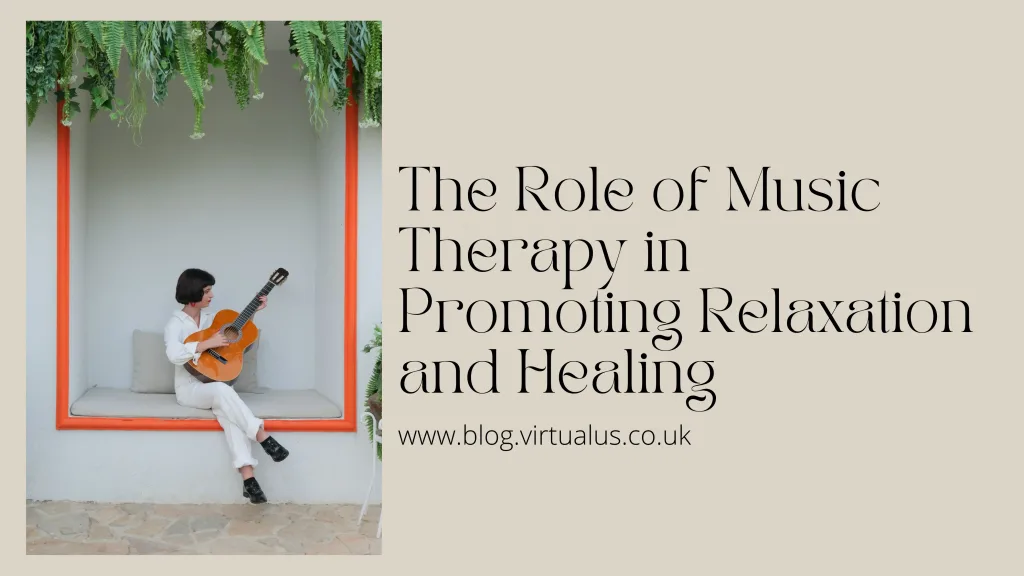
The Role of Music Therapy in Promoting Relaxation and Healing
The modern lifestyle has become fast-paced and demanding. People are struggling to manage their personal and professional lives. It’s ultimately leading to mental health issues such as stress, anxiety, depression, etc., and physical problems, including pain and chronic disease. As a result, you need to adopt some comprehensive approaches to wellness.
Conventional medical treatments for different health issues have some associated side effects. Therefore, people are seeking some holistic approaches to maintain their mental and physical health. Music therapy is among some common yet highly effective holistic treatment options. It helps in fostering calmness and overall well-being. In this post, we will explore the role of music therapy in promoting relaxation and healing preceded by what music therapy is.
What is Music Therapy?
Music therapy is the use of music and its elements to deal with various mental and physical health problems. Music therapists use music in different ways to promote wellness in people of all ages. This therapy isn’t about listening to music only. You may sing, use different musical instruments, or discuss lyrics as well. The two basic music therapy techniques are:
Active Intervention: In this technique, you actively participate in the therapy to create music via singing or playing an instrument.
Receptive Intervention: This technique involves listening to the music followed by discussing it with your therapist.
7 Benefits of Music Therapy for Relaxation and Healing
Stress Release

When you are stressed, cortisol (stress hormone) levels increase in your body. Similarly, your heart beat rate and blood pressure may also go up. According to research, listening to specific types of music can help in releasing stress by relaxing your brain. Music does so by:
- Reducing your blood pressure and heartbeat rate.
- Distracting you from the reasons leading to stress.
- Releasing endorphin, a hormone that relieves pain and stress symptoms.
Anxiety Reduction

Anxiety is one of the outcomes of stress that can be triggered due to feelings of fear or without any obvious reason. One of the top-listed benefits of music therapy is that it helps deal with anxiety. It can even relieve the symptoms of chronic anxiety. The following are some effective ways by which it reduces anxiety.
- Listening to music will boost feel-good neurotransmitters and chemicals in your body to lift your mood and induce happiness.
- It promotes the release of dopamine, an effective hormone to reduce anxiety.
- Different types of music can distract you from the potential triggers of anxiety.
- It helps in developing connections to reduce anxiety, that’s mainly because of loneliness.
Pain Management

Music and healing are closely linked as listening to music is one of the effective strategies for managing chronic pain without medication. It does so by improving your mood. According to a research report, people who listen to music and have control over the selection of music can manage pain effectively as compared to those who don’t do so. This therapy works by distracting and relaxing you.
Emotional Regulation

Music therapy plays a significant role in regulating emotions as well. The outcomes of this therapy will depend upon the type of music you are listening to. For instance, listening to calming music will release tension and regulate emotions. You can notice the emotional uplift when listening to high-beat music.
It will give you some sort of goosebumps indicated by your movements, such as head nodes, hand and foot taps, etc. Furthermore, it can stimulate the visual imagery in listeners, leading to emotional regulation.
Mood Management

One of the biggest benefits of music therapy for mental health is that it helps in mood management. An imbalance in mood is among the significant reasons behind mental sickness. Music can help in uplifting your mood and balance it.
Receptive music therapy helps you concentrate on the present moment and ignore negative thoughts. It enables you to get rid of tense emotions and express the suppressed ones to improve your mood. You can even try listening to music on Spotify or other available streaming sources to uplift your mood.
Spiritual Healing

Music can unlock inner transformation with its spiritual healing abilities. It tends to improve your spirituality by relaxing your mind, releasing emotions, and healing. The way you listen to music plays a crucial role in getting benefits from its spiritual healing powers. For instance, you can observe better results when listening to music while practicing mindfulness, meditation, etc. The most common music used for spiritual healing is listed below.
Nature Sounds: The sounds of wind blowing through trees, chirping birds, and flowing water. It connects you with nature.
Gregorian Chants: It’s timeless and soothing sounds that lead to inner peace and harmony.
Tibetan Singing Bowls: Originating from Himalia, this sound has been in use for centuries to promote healing and relaxation.
Binaural Beats: These are imaginary beats created by mixing 2 different frequencies, by playing them together. It helps you focus on a single point and relax your body.
Physical Rehabilitation

Music therapists have been using music for physical rehabilitation for several years now. They use the healing powers of the music for your recovery. The prime example of this rehabilitation is that it eases the discomfort when you work in the gym.
More music therapists are finding jobs in physical rehabilitation centers so they can use music for the quick recovery of patients. Your strength, range of motion, cognition, and communication will improve after opting for music therapy.
Conclusion
As promised, we have comprehensively described the role of music therapy in promoting relaxation and healing. It helps you relax by improving your mental health s. Emotions, mood, anxiety, depression, and other mental problems can be managed via therapeutic music. Apart from that, it boosts physical healing and pain management. If you are feeling tired or dull, opt for music therapy to refresh your brain and body.