

Optimizing Metabolism for Effective and Sustainable Weight Loss
According to the World Health Organization, around 16% of adults will be overweight in 2022. It simply means that a major part of the population is dealing with obesity and the problems caused by it. High-fat percentage in the body leads to cardiovascular problems, chronic disorders, hypertension, and countless other problems.
Therefore, you need to lose fat and maintain a healthy weight. In this post, we will give you some effective strategies for optimizing metabolism for effective and sustainable weight loss. Let’s explore them without further ado.
08 Strategies for Optimizing Metabolism for Sustainable Weight Loss
01. Consume More Proteins
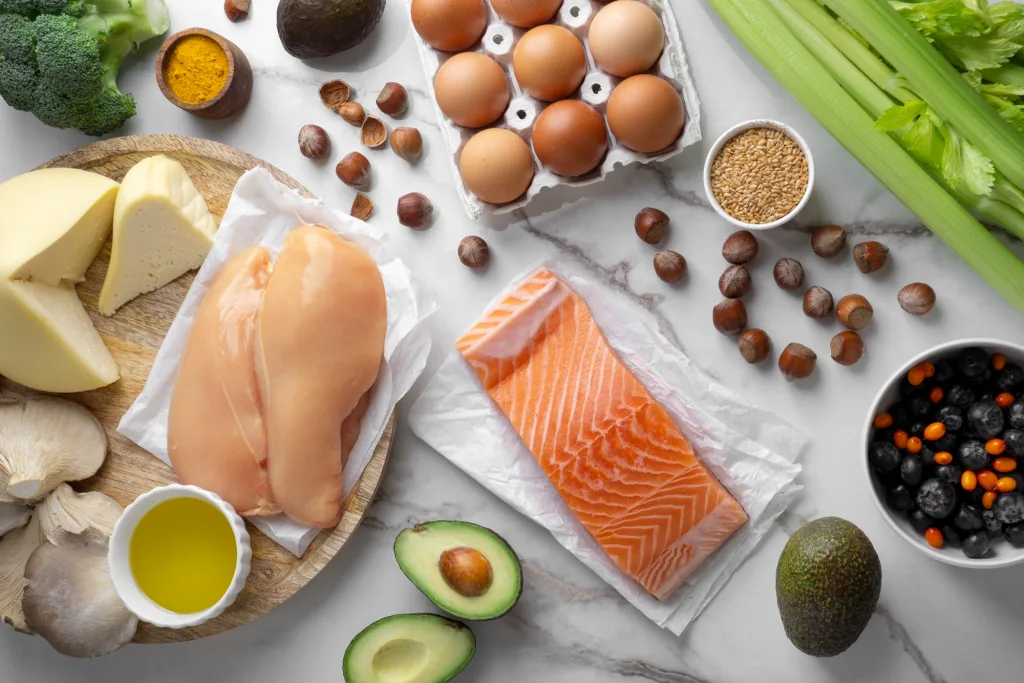
Protein-rich diet is one of the most effective tools for weight loss. When you eat food, your body spends energy to digest it. This energy is referred to as diet-induced thermogenesis or DIT. In simple words, it’s the metabolic response of your body to food.
Protein has a higher DIT value than fats and carbohydrates. It means that when you consume more proteins, your body’s metabolic activity increases to digest it. As a result, the fats start burning at a rapid pace, and your weight will be reduced. Apart from that, proteins promote satiety in your body. Satiety is the feeling of fullness that stops you from eating more.
02. Stay Hydrated

Water is one of the most important components of various metabolic activities in your body, including nutrient transport, waste removal, etc. So, staying hydrated will ultimately boost metabolism of different cells. Apart from that, it helps in thermoregulation via evaporation, which is also a part of metabolism.
Digestion and nutrient absorption in the body also take place in the presence of water. All these processes spend energy, which burns fat at a rapid pace. It also regulates your appetite and stops you from consuming more than the required calories, helping you maintain a healthy weight.
03. Improve Your Eating Habits

One of the primary reasons why you are overweight is eating habits. You must improve them to lose weight naturally and permanently. First of all, you need to stop eating junk food. It would help if you also ate on time to avoid cravings that often lead to the accumulation of fat in your body.
Eating slowly will improve your metabolism and improve your satiety as well. Furthermore, you can try foods with high DIT values to boost metabolic activity. Eat foods that increase metabolism and burn fat.
04. Appropriate Sleep

Appropriate sleep can help a lot in regulating metabolic activities and managing weight. It does so by various mechanisms. Firstly, sleep is required to regulate appetite-regulating hormones. Otherwise, you will feel cravings all the time, leading to the consumption of more calories, which affects your metabolism negatively.
Inadequate sleep for some time can disrupt insulin levels, causing metabolic disorders. When you sleep, your muscles recover through the resting metabolism. All these mechanisms help in improving metabolism and promote weight loss. You can try the following things to improve your sleep cycle.
- Try to wake up early in the morning.
- Exercise regularly or do other physical activities.
- Prepare and follow a sleep schedule.
- Try meditation and other mindfulness approaches.
05. Effective Stress Management

Stress is one of the leading reasons behind obesity, as it disrupts metabolic activities. When you are stressed, your body releases cortisol, which causes appetite. As a result, you may end up consuming a lot of calories, which isn’t good for your metabolism. It also affects your sleep cycle, which in turn affects your metabolism negatively.
So, managing stress can regulate the metabolic activities in your body. Apart from that, different stress management approaches, such as involvement in physical activity and meditation, also help in improving metabolism.
06. Consume Fiber Rich Foods
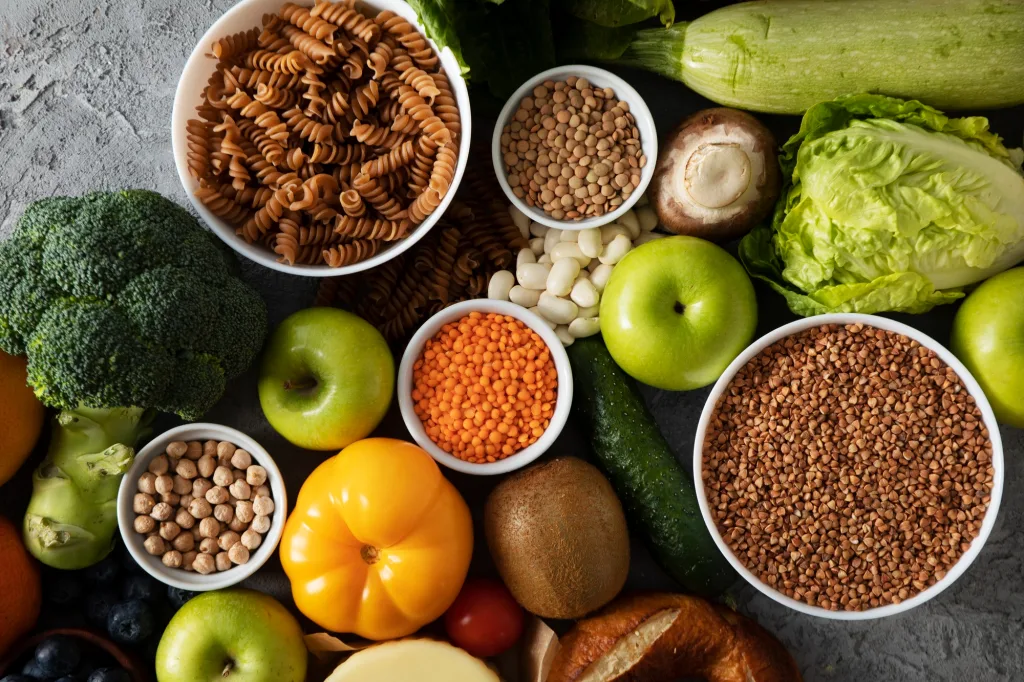
Consuming fiber-rich foods is one of the best ways to improve metabolism. They do so by different processes. Fiber-rich foods such as fruits and veggies have almost negligible calories. So, you can get full without consuming calories, which boosts metabolism.
Consuming them maintains insulin levels by raising blood sugar levels slowly. It mitigates the risk of metabolic disorders due to changes in Insulin levels. Above all, fiber-rich foods such as fruits and vegetables are among the superfoods to boost the immune system and fight off infections. So, you will get double the benefits of consuming them.
07. Stay Active

Staying active, i.e., indulging in physical activities or exercising, plays a crucial role in weight management. When you walk or do any other form of exercise, calorie expenditure increases, and metabolism improves. The expenditure will be high when you are involved in aerobic activities such as running, cycling, etc.
When you are involved in physical activities, your muscles grow and develop. It also requires energy, which is generated via metabolism. The healing process of muscle fibers after physical activity increases the resting metabolism rate as well. Above all, regular exercise will result in the consumption of fats as an energy source that helps maintain a healthy weight.
08. Limit Added Sugars
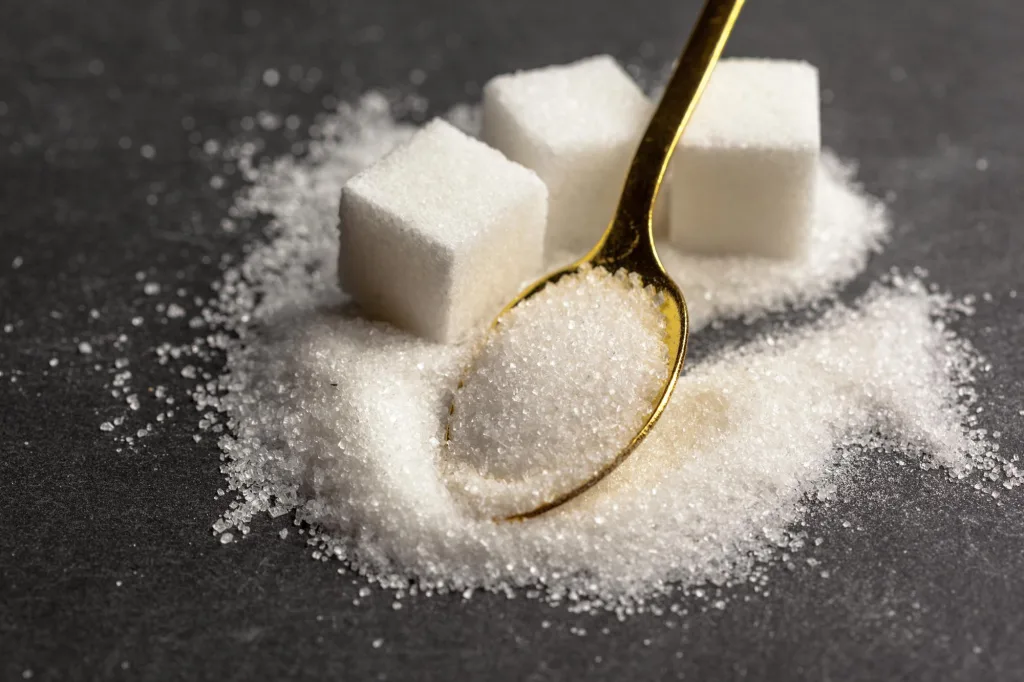
Added sugars in your foods and drinks can increase blood glucose levels rapidly. It leads to the rise of insulin levels in your body. When it continues for some time, you will observe impaired metabolism and diabetes. Therefore, consider limiting added sugars to optimize your metabolism.
You can replace them with dietary sugars as they help in optimizing the metabolism. The cellular and biochemical breakdown of dietary sugars contributes to improving metabolic activities and burning fat.
Conclusion
The aforementioned strategies help in optimizing metabolism for effective and sustainable weight loss. You can try a few or all of them at once to get the desired results. It will not only reduce weight but also help elevate your overall health.