
How Smoking Affects Physical Fitness and Athletic Performance
Smoking has become very common in the past few years, especially among teens. Despite knowing its harmful effects on health, many people cannot abandon it. The worst part is that many athletes and sports persons are also falling victim to smoking. As a result, their athletic performance is affected negatively, shortening their career.
Now, the main concern is how smoking affects physical fitness and athletic performance. Don’t worry! We got you. In this post, we will unveil the effects of smoking on physical fitness. Moreover, we will describe how you can benefit from abandoning it.
06 Ways Smoking Affects Physical Fitness and Athletic Performance
Reduce Endurance
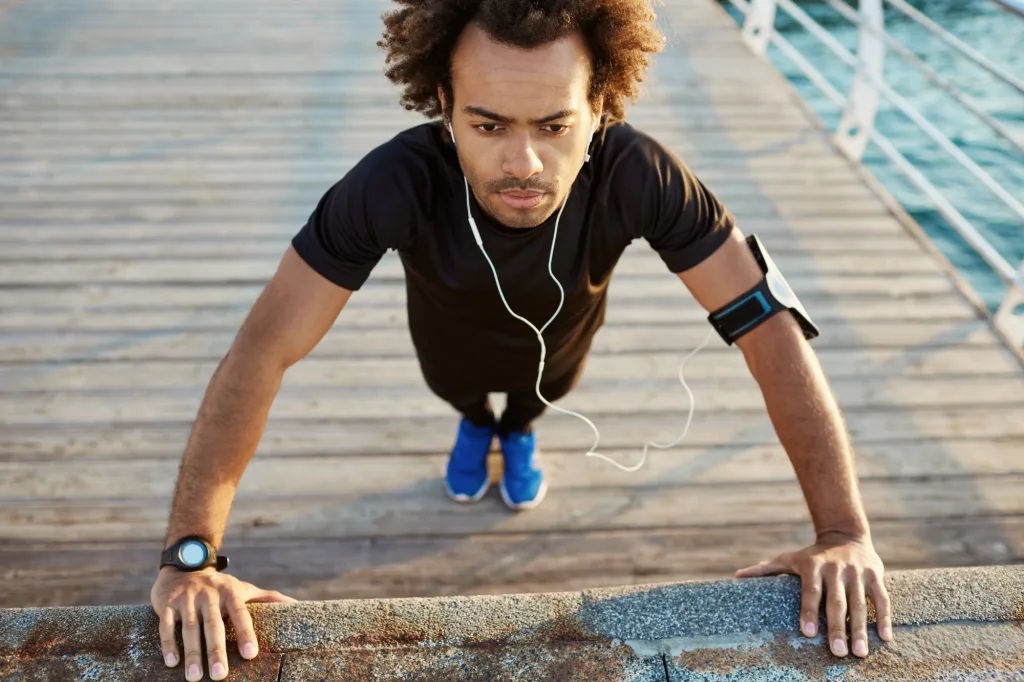
Smokers who exercise can observe a clear decline in their endurance. They need enough oxygen to do aerobic exercises such as running, cycling, etc. When you smoke, carbon monoxide enters your body and binds to hemoglobin.
As a result, the oxygen-carrying capacity of RBCs reduces, ultimately leading to reduced endurance. Smoker athletes will not be able to train regularly, and their on-field performance will also be affected. They slowly start feeling tired and fail to sustain prolonged activity.
Cause Cardiovascular Issues

One of the major negative impacts of smoking on physical fitness is that it can lead to cardiovascular problems. When you smoke, your blood pressure and heartbeat increase suddenly, which can be harmful to your cardiac health. Similarly, nicotine and other chemicals in cigarettes can cause oxidative stress that is harmful to blood vessels.
The oxygen-carrying capacity of the RBCs is also reduced, which strains your heart. Above all, continuous smoking can lead to clotting and block blood vessels, leading to heart attack and other chronic health issues. All these things hurt physical fitness and athletic performance.
Promote Injuries
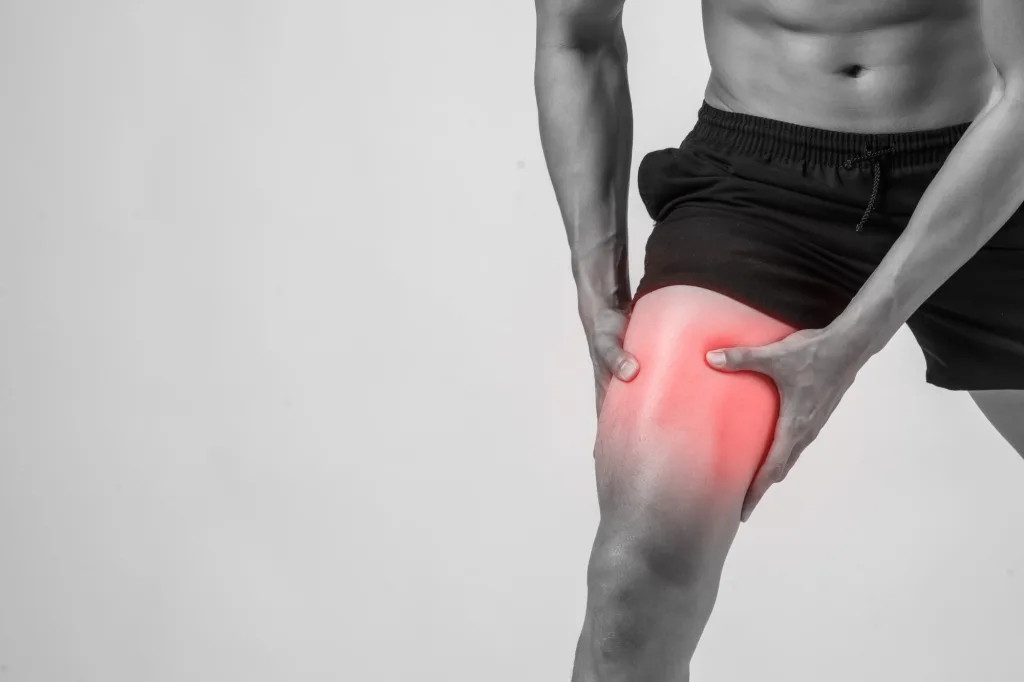
There’s an inverse relationship between smoking and physical exercise. The more you smoke, the less you will be able to exercise. Continuous smoking promotes injuries in athletes. According to research, smokers who exercise are more prone to injuries than nonsmokers.
Harmful chemicals present in cigarettes reduce bone density, leading to injuries, especially during intense workouts. Furthermore, when you smoke, the flexibility of tendons and ligaments is also reduced, increasing the risk of injuries.
Reduce Muscle Growth and Recovery

Athletes have to work out a considerable amount of muscles to maintain their physical activity and on-field performance. These muscles add to their strength and enable them to give their best. However, smoking can also negatively impact muscle growth and development. Nicotine is the major chemical you intake while smoking. It can reduce muscle growth and recovery, ultimately affecting athletic performance.
A high concentration of nicotine reduces testosterone levels in the body. It directly affects protein synthesis and reduces its concentration in the body. Cortisol levels may also increase, causing impaired muscle recovery.
Affect Mental Health

Smoking affects your workout performance and physical fitness by leaving negative impacts on your mental health. People who smoke consider that it helps them deal with behavioral and mental health problems. But in fact, the chemicals present in cigarettes increase stress and anxiety. For instance, when nicotine enters your body, it stimulates the release of the stress hormone cortisol, affecting your overall mental health.
Your physical fitness will also be affected when you are not mentally well. You may fail to perform well. You may have to take different medicines to control anxiety symptoms, which can also impact athletic performance.
Disturb Sleep Cycle

Enough night sleep is mandatory to maintain your athletic performance. However, when you smoke, your sleep cycle gets disturbed. Continuous smoking will make it hard to initiate sleep. Sometimes, you may have to wake up at night to fulfill the desire to smoke.
Your energy will not be restored when you fail to sleep at night. Similarly, you will feel tired and sleep throughout the day. All these things can affect your athletic performance negatively.
Benefits of Quitting Smoking for Physical Fitness and Athletic Performance
Quitting smoking can help elevate your physical performance. The sooner you abandon it, the more benefits you will get. The following are some of the top listed benefits of quitting smoking.
Better Physical Health: The first benefit of quitting smoking is improved physical health. By quitting smoking, you will stop various poisonous chemicals from entering your body. As a result, your physical health will improve, which will boost your athletic performance.
Mitigates Risk of Disorders: Various health issues are linked with smoking, such as cancer, respiratory disorders, and cardiac health issues. By quitting smoking, you can avoid getting any of these health issues. When you don’t have to deal with health issues, you can focus more on your physical fitness and perform exceptionally well.
Improve Mental Health: Smoking increases cortisol concentration in your body, increasing stress and anxiety levels. By abandoning it, you will start feeling more relaxed and improve your mental health. When you are mentally fit, your physical performance will automatically enhance.
Conclusion
Now you know how smoking affects physical fitness and athletic performance. So, to maintain your fitness and performance, it would help to abandon it immediately. You can quit smoking by changing your diet, indulging in regular physical activities, etc.Apart from regular smoking, vapes or e-smoking also affect your physical fitness. Therefore, you should stay away from vaping as well. Understanding the role of social media in promoting vaping among teens and athletes can help you a lot in staying away from this version of smoking.